
SSD Price in Bangladesh
Explore the latest SSD price in Bangladesh, starting from BDT ৳2,500 for entry-level models to over BDT ৳99,500 for high-performance NVMe SSDs. Compare genuine SATA and NVMe SSDs from leading brands and choose the right storage solution with an official warranty and competitive pricing.
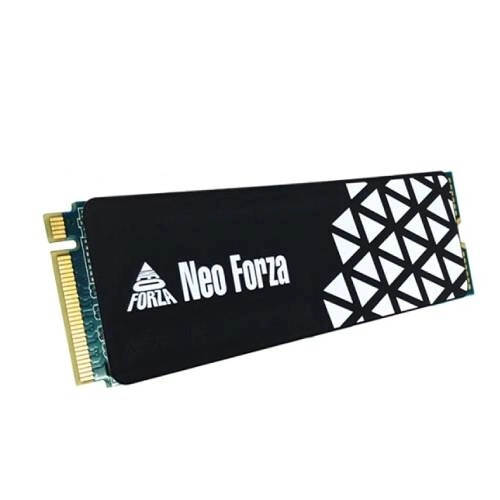
NEO FORZA NFP445PCI50-44H1200 500GB M.2 2280 NVMe SSD
- 500GB M.2 2280 SSD
- Read Speed Up to 4800MB/s
- Write Speed Up to 2700MB/s
- M.2 2280 Form Factor
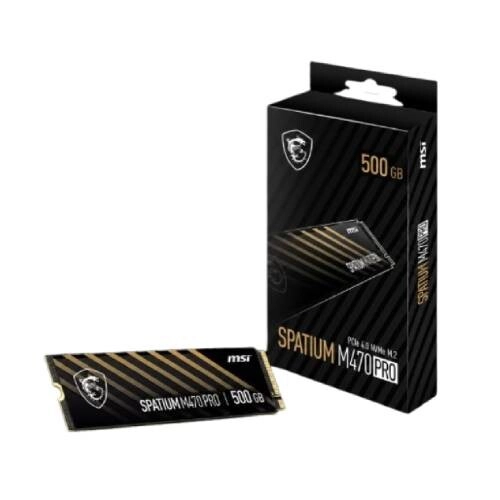
MSI SPATIUM M470 PRO 500GB PCIe Gen4x4 M.2 2280 SSD
- Speed: 6,000/5,000 MB/s Read/Write
- Interface: PCIe Gen4x4 | M.2 2280
- Cap/TBW: 500GB–2TB | 640 TBW
- Features: ECC & Security | Desktop/Laptop
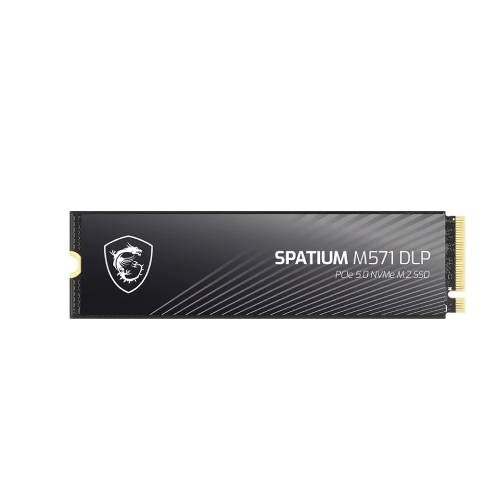
MSI SPATIUM M571 DLP 2TB PCIe 5.0 NVMe M.2 SSD
- PCIe Gen5x4, NVMe 2.0, PHISON E28
- Up to 14,500MB/s Read, 11,000MB/s Write
- 3D NAND, M.2 2280, Up to 4GB LPDDR4
- Up to 2,800TBW, 5-Year Limited Warranty
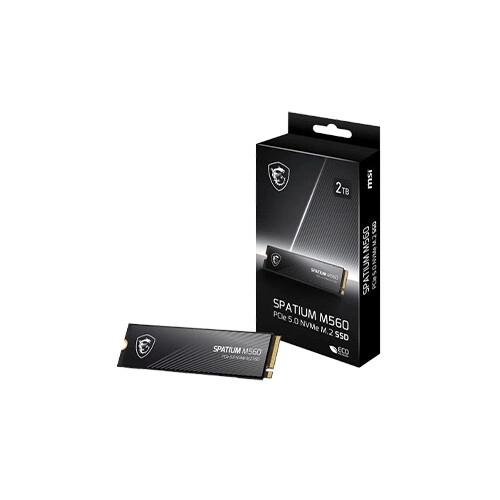
MSI SPATIUM M560 1TB PCIe Gen5 x4 M.2 2280 SSD
- Speed: 10,300/8,700 MB/s Read/Write
- Interface: PCIe Gen5x4 | M.2 2280
- Cap/TBW: 1TB–2TB | 1200 TBW
- Features: ECC & Security | Desktop/Laptop
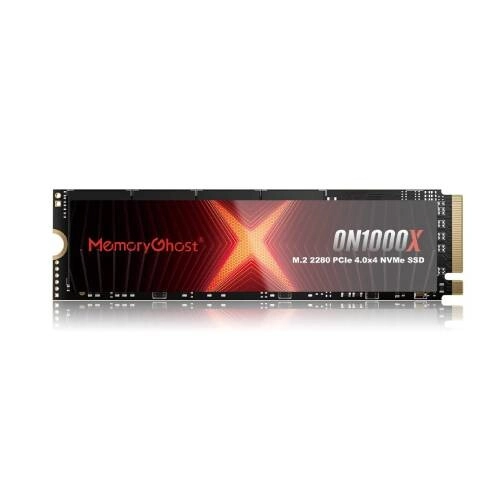
Memory Ghost ON1000X 1TB NVMe PCIe Gen4 M.2 2280 SSD
- 1TB M.2 2280 NVMe PCIe Gen4.0 x4
- Up to 7,400/6,400MB/s Read/Write
- 3D TLC NAND, 512GB–4TB Capacity
- TRIM, NCQ & S.M.A.R.T Supported
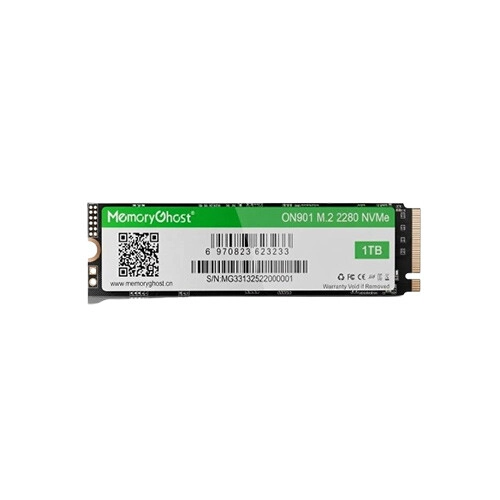
MemoryGhost ON901 1TB NVMe PCIe Gen3 M.2 2280 SSD
- Performance: 3,500 MB/s Read | 2900 MB/s Write
- Form Factor: M.2 2280
- Interface: NVMe PCIe
- Tier: Everyday Performance
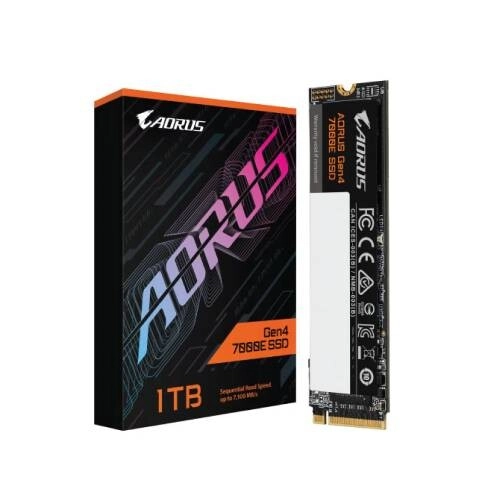
GIGABYTE AORUS 7000E 1TB NVMe Gen4 M.2 SSD
- 1TB PCIe 4.0 NVMe SSD – M.2 2280 form factor
- Read Speed – Up to 7100 MB/s
- Write Speed – Up to 6100 MB/s
- Reliable long-term support
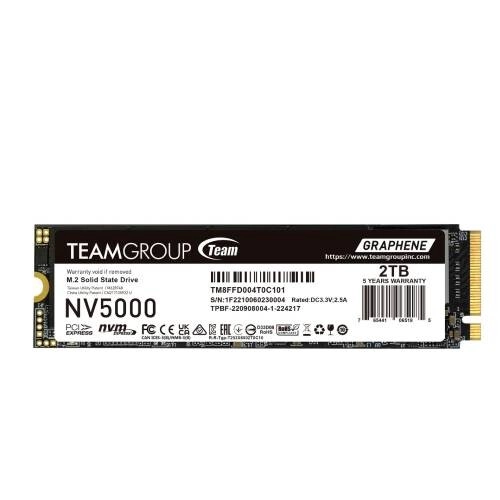
Team NV5000 M.2 2280 2TB NVMe SSD (TM8FGM002T0C101)
- 2TB M.2 2280 SSD
- PCIe 4.0 NVMe Interface
- Up to 5000 MB/s Read Speed
- Built-in Heatsink
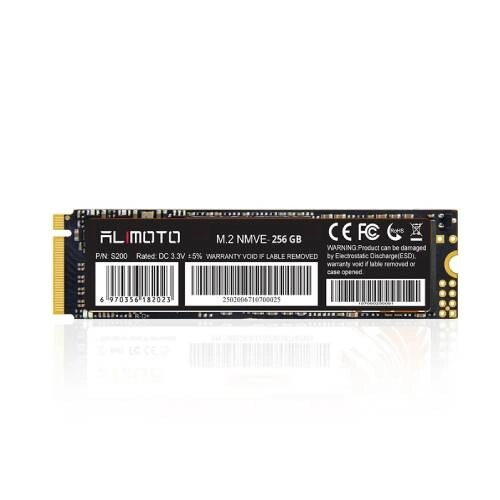
Alimoto S200 256GB M.2 NVMe PCIe Gen 3.0 SSD
- Interface: PCIe Gen3x4 NVMe
- Speed: Up to 3500MB/s Read, 3000MB/s Write
- NAND: 3D NAND Flash
- Compatibility: Desktop, Laptop & Ultrabook
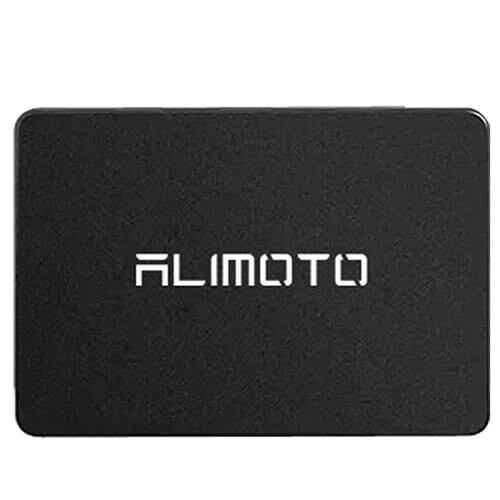
Alimoto S100 128GB 2.5 inch SATA Solid State Drive
- Capacity: 128GB
- Interface: SATA III 6Gbps
- Form Factor: 2.5"
- Speed: Read 500MB/s, Write 400MB/s
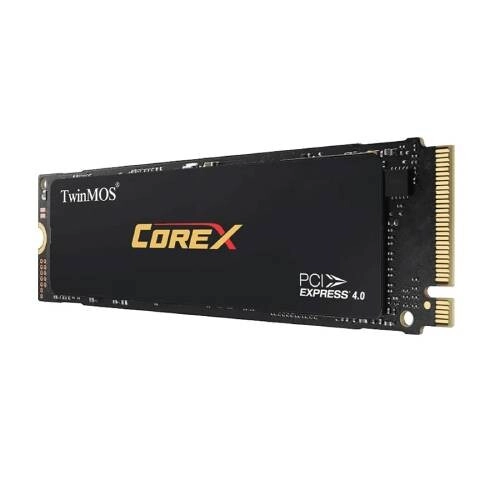
TwinMOS CoreX 512GB M.2 2280 PCIe Gen4x4 NVMe Internal SSD
- Type: Internal SSD
- Storage: 512GB M.2 2280 NVMe
- Interface: PCIe Gen4x4
- Speed: 5000MB/s Read, 4800MB/s Write
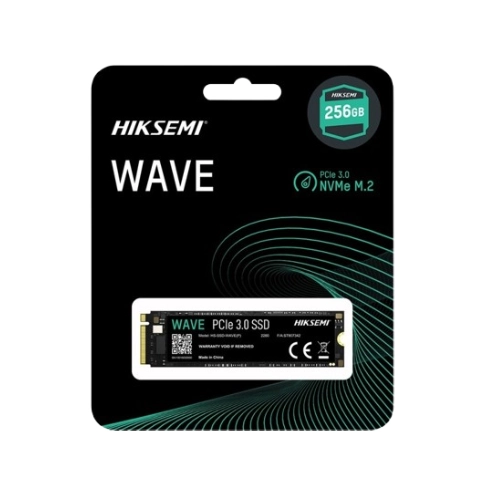
Hiksemi Wave P 256GB M.2 NVMe PCIe Gen3x4 SSD
- 256GB Storage Capacity
- M.2 NVMe SSD
- PCIe Gen3x4 Interface
- Fast Data Access
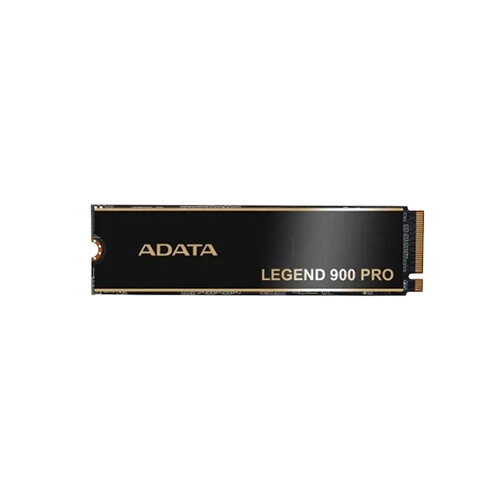
ADATA Legend 900 Pro 2TB M.2 2280 PCIe Gen 4 SSD
- Model: LEGEND 900 PRO
- Capacity: 2TB Storage
- Form Factor: M.2 2280
- Interface: PCIe Gen4 x4
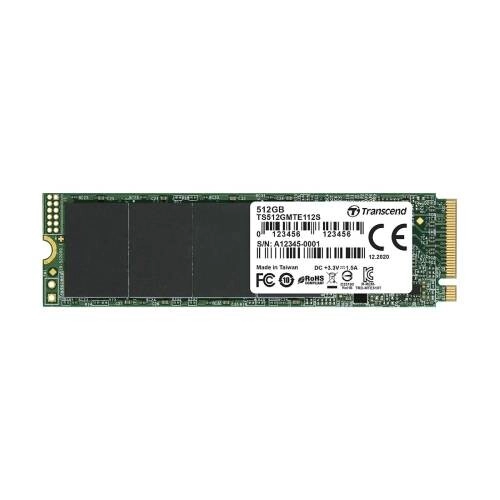
Transcend 112S 512GB M.2 2280 SSD
- Capacity: 512GB
- Flash: 3D NAND
- Speed: Up to 1,700/1,400 MB/s
- Interface: PCIe Gen3 x4 NVMe
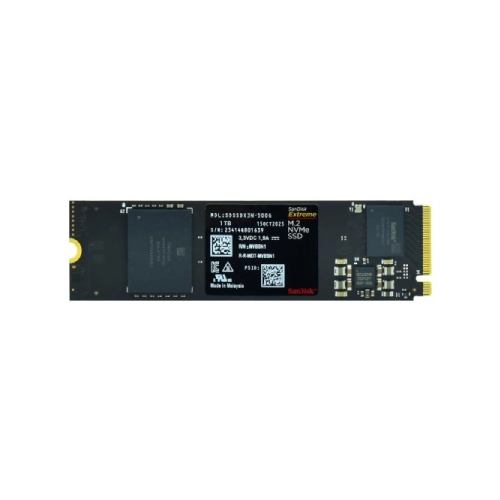
SanDisk Extreme 1TB M.2 NVMe PCIe Gen 4.0 SSD
- 1TB PCIe Gen4 NVMe SSD
- Up to 5150MB/s Read
- 600TBW Endurance
- 3-Year Warranty
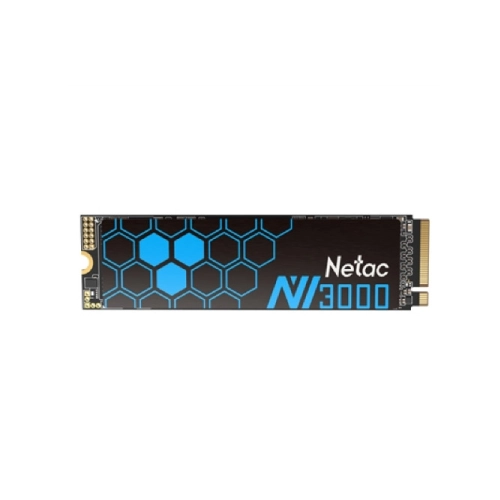
Netac NV3000 1TB M.2 2280 NVMe SSD
- 1TB Storage Capacity
- PCIe Gen3 x4 NVMe
- Up to 3100MB/s Read
- 5-Year Warranty
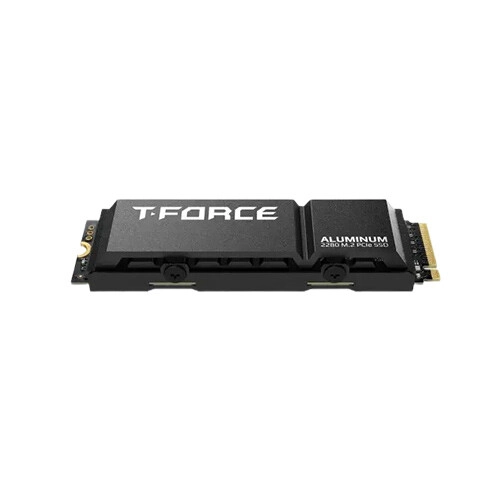
Team T-FORCE G70 PRO M.2 PCIe Gen4x4 4TB NVMe SSD With DRAM Cache & Aluminum Heatsink
- 4TB Capacity
- PCIe Gen4x4 NVMe Interface
- 7400/6600 MB/s Read/Write
- NVMe 1.4 Standard
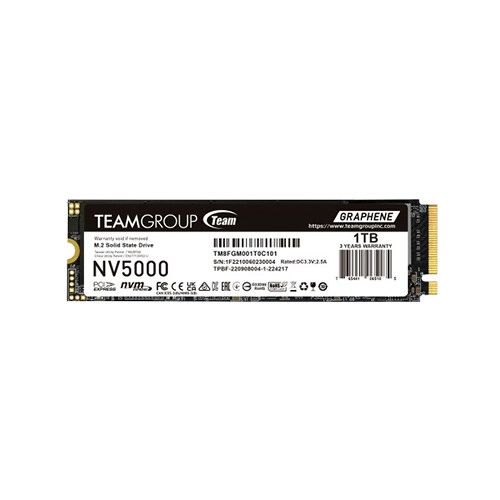
Team NV5000 1TB M.2 PCIe Gen4 NVMe SSD
- 1TB Capacity · Graphene Cooling
- PCIe Gen4 x4 NVMe Interface
- 4,500 MB/s Sequential Read
- 1,900 MB/s Sequential Write
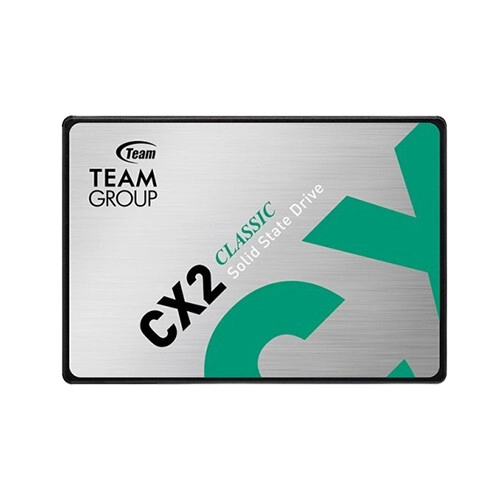
TEAM CX2 2.5 Inch SATA 2TB SSD
- 2TB Capacity · SATA III 6Gb/s
- 540 MB/s Sequential Read
- 490 MB/s Sequential Write
- SLC Caching Technology
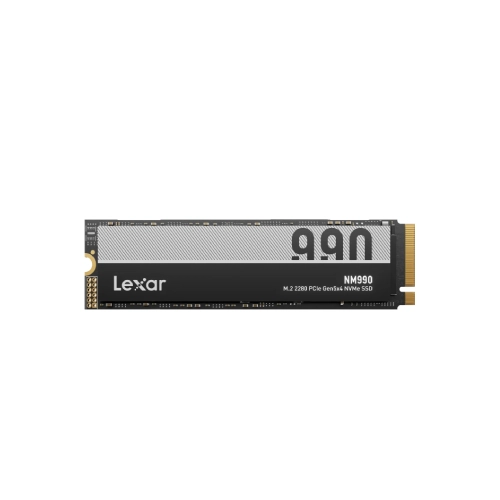
Lexar NM990 1TB PCIe 5.0 Gen5 NVMe M.2 SSD
- 1TB Storage
- PCIe 5.0 x4
- Up to 14GB/s Read
- NVMe M.2
Showing 20 out of 985 products
SSD at the Best Price in Bangladesh
SSD prices in Bangladesh depend on factors like storage capacity, brand, and type (SATA or NVMe). Over time, SSDs have become more affordable and widely used, making them a common upgrade for both laptops and desktop computers. Lower-capacity drives are suitable for basic tasks such as browsing and office work, while higher-capacity and NVMe SSDs deliver faster performance for gaming, content creation, and professional use. Compared to traditional hard drives, SSDs offer much faster boot times, quicker file access, and smoother overall performance. They are also more durable, energy-efficient, and completely silent since they have no moving parts.
The SSD price in BD varies depending on capacity, brand, interface, and performance. Although prices may vary due to global supply changes, SSDs remain a practical upgrade for improving system speed and reliability in Bangladesh.
Best SSD Price in Bangladesh
256GB SSD
A 256GB SSD offers a significant storage upgrade over traditional hard drives, providing faster data access speeds, improved system responsiveness, and quicker boot times. With ample space for essential programs, operating systems, and frequently accessed files, it balances storage capacity and performance. Ideal for laptops, desktops, and other devices, a 256GB SSD enhances the overall computing experience by reducing loading times, improving productivity, and ensuring smoother operation for everyday tasks. Whether for work, multimedia storage, or gaming, this solid-state drive capacity offers a reliable and efficient storage solution for various computing needs. The affordability of a 256GB SSD in BD makes it an attractive option for users seeking improved performance without compromising on storage space.
512GB SSD
A 512GB SSD (solid-state drive) offers substantial storage space in a compact, efficient form. SSDs are known for their speed, reliability, and durability compared to traditional HDDs.This size suits those who need more space than lower-capacity SSDs but don't require the vast storage of 1TB or larger drives. A 512GB SSD provides faster boot times, quicker application loading, and improved overall system responsiveness. It is an excellent choice for upgrading laptops or desktops to boost performance without sacrificing storage capacity. SSDs with a 512GB capacity are commonly used in gaming rigs, workstations, and everyday computers where a balance between speed and storage space is desired. They also contribute to energy efficiency and generate less heat than traditional hard drives.
1TB SSD
A 1TB SSD (Solid-State Drive) is a storage device that can hold 1 terabyte of data using flash memory. Key points about a 1TB SSD include its 1TB capacity (equivalent to 1,000 gigabytes or roughly 1,000,000 megabytes), faster read and write speeds, reliability due to its lack of moving parts, energy efficiency, and decreasing prices over time. The declining prices over time are particularly notable, making SSDs more accessible to consumers, including those in regions like Bangladesh, where the price of a 1TB SSD in BD is increasingly competitive. While SSDs are more expensive per gigabyte than HDDs, their benefits make them popular among users who need significant storage space.
M.2 SSD
M.2 SSDs are compact and offer high-speed performance, making them ideal for modern laptops and desktops. In Bangladesh, M.2 SSD prices depend on factors such as brand, capacity, and read/write speeds.
NVMe SSD
NVMe (Non-Volatile Memory Express) SSDs revolutionize storage with their exceptional speed, efficiency, and performance compared to traditional storage options. Utilizing the PCIe (Peripheral Component Interconnect Express) interface, NVMe SSDs boast lightning-fast read and write speeds, significantly reducing application load times, boot times, and file transfers. They excel in low latency, offering instantaneous responsiveness and seamless multitasking. Leveraging parallelism through multiple I/O queues, NVMe SSDs efficiently process data, making them versatile for various workloads.
Their scalability accommodates diverse storage needs, from consumer devices to enterprise servers. NVMe SSDs are energy-efficient and compact, ideal for mobile devices and space-constrained environments. Despite their high performance, they maintain reliability with robust error correction and wear-levelling mechanisms, ensuring data integrity and longevity. In essence, NVMe SSDs represent the pinnacle of storage technology. NVMe SSDs are now available in Bangladesh across a wide range of price points, making high-speed storage accessible to more users.
Types of SSD Storage Technology
Different types of SSDs are available in the market, and understanding these technologies helps users choose the right storage solution for their computer system.
SATA SSD Technology
SATA SSDs use the SATA interface, which was originally developed for traditional hard drives. Although the SATA interface has lower bandwidth than newer technologies, SATA SSDs still offer significant performance improvements over HDDs. Typical SATA SSDs deliver sequential read speeds of around 500–550 MB/s and write speeds of around 450–520 MB/s. SATA SSDs are widely used in budget desktop systems, office computers, and laptop upgrades because they are affordable and compatible with most motherboards.
NVMe SSD Technology
NVMe SSDs use the PCI Express interface to communicate directly with the CPU, bypassing the limitations of older storage controllers. Because of this architecture, NVMe SSDs can achieve extremely high data transfer speeds compared to SATA storage. Many modern NVMe SSDs offer sequential read speeds exceeding 3500 MB/s on PCIe Gen3 and over 7000 MB/s on PCIe Gen4 platforms. This performance advantage makes NVMe SSDs ideal for gaming PCs, professional content creation workstations, and high‑performance computing systems.
PCIe Gen4 and PCIe Gen5 SSD
The newest generation of SSD technology supports PCIe Gen4 and PCIe Gen5 interfaces. PCIe Gen4 SSDs are now widely available in modern gaming PCs and offer significant improvements in data throughput compared to previous generations. PCIe Gen5 SSDs represent the next stage of storage innovation, delivering extremely high bandwidth and ultra‑fast data access speeds that benefit professional workloads such as AI computing, 8K video editing, and complex simulation tasks.
NAND Flash Technology Explained
SSD performance and durability depend heavily on NAND flash memory technology. Modern SSDs typically use advanced NAND architectures that allow higher storage density and improved reliability.
Common NAND types include SLC (Single‑Level Cell), which stores one bit per cell and offers the highest durability and speed but is expensive and rarely used in consumer SSDs.
MLC (Multi‑Level Cell) stores two bits per cell and provides a good balance between performance and lifespan.
TLC (Triple‑Level Cell) stores three bits per cell and is widely used in modern consumer SSDs due to its cost efficiency and good performance.
QLC (Quad‑Level Cell) stores four bits per cell and allows higher storage capacities at lower cost, though with slightly reduced endurance compared to TLC.
Advanced SSD controllers and firmware technologies help efficiently manage these NAND architectures, maintaining consistent performance and data reliability.
SSD Form Factors and Compatibility
SSD drives are available in several form factors designed to fit different types of computer systems.
2.5‑inch SATA SSD drives are commonly used in laptops and desktops that originally supported hard drives. They connect through SATA cables and are easy to install.
M.2 SSD drives are compact storage devices that connect directly to the motherboard without cables. These drives support both SATA and NVMe interfaces depending on the motherboard design.
PCIe Add‑in SSD cards are used in professional workstations that require extremely high storage performance. Before purchasing an SSD, users should verify that their motherboard supports the correct form factor and interface type.
Portable SSD
A portable SSD is a compact and reliable storage device that uses flash memory to store data. It's small enough to fit in your pocket or bag and connects to your computer or other devices via USB. Compared to traditional hard disk drives (HDDs), portable SSDs are faster, more durable, and less prone to physical damage.
Speed is one of its biggest strengths a portable SSD offers much faster read and write speeds than a traditional HDD, so you can transfer files quickly and easily. This is particularly useful if you work with large files, such as video and audio. Durability is another key benefit: because portable SSDs have no moving parts, they're less likely to fail from physical shock or vibration. They're also resistant to dust, water, and other environmental hazards that can damage traditional HDDs.
Top SSD Brands in Bangladesh
Choosing a trusted SSD brand ensures reliable performance, faster data access, and long-term durability. At Techland BD, you can find original SSDs from leading global brands, including Samsung, Kingston, Western Digital (WD), Crucial, Corsair, ADATA, Lexar, SanDisk, Seagate, MSI, GIGABYTE, Transcend, Apacer, PNY, Silicon Power, Netac, Hiksemi, Hikvision, Acer, HP, Patriot, and Colorful. These brands offer a wide range of SATA, M.2, and high-speed NVMe SSDs with capacities from 120GB to 4TB, suitable for laptops, desktops, gaming PCs, and professional workstations. Whether you need an affordable SSD for everyday use or a high-performance PCIe Gen4 NVMe SSD for gaming and content creation, Techland BD provides genuine products with an official warranty, competitive prices, and dependable after-sales support, making it easy to choose the right storage solution for your needs.
Buy the Best SSD in Bangladesh at Techland BD
TechLand BD offers a wide range of SSDs at competitive prices in BD. Choose from budget-friendly SATA SSDs and high-performance NVMe SSDs based on your storage needs, device compatibility, and budget. An SSD can improve boot times, reduce application loading times, and make your computer more responsive compared to a traditional hard drive. Whether you are upgrading a laptop, improving your desktop's performance, or building a gaming PC, explore available SSD models at TechLand BD to find the right storage solution for your needs.
What is the price of an SSD in Bangladesh?
SSD prices in Bangladesh depend on storage capacity, interface type, and brand. Budget SSDs are available for entry‑level users, while high‑performance NVMe SSDs cost more due to faster speeds and larger storage capacity.
Which SSD is best for a gaming PC?
NVMe SSDs are usually the best option for gaming PCs because they offer higher read and write speeds compared to SATA SSDs.
What is the difference between a SATA SSD and an NVMe SSD?
SATA SSDs use the SATA interface and provide moderate speed improvements, while NVMe SSDs use the PCIe interface and deliver significantly faster performance.
Which SSD brand is best in Bangladesh?
Popular SSD brands include Samsung, Western Digital, Kingston, Corsair, ADATA, and Crucial, all of which offer reliable storage solutions.
Is an SSD better than an HDD?
Yes, SSDs are generally faster, more durable, and more power-efficient than traditional hard drives.
Can I upgrade my laptop with an SSD?
Most modern laptops support SSD upgrades, either through a 2.5‑inch SATA slot or an M.2 NVMe slot.
