
Network Transceivers Price in Bangladesh
Network Transceivers are used to connect compatible networking devices through fiber or copper-based network links. Different transceivers support various data speeds, transmission distances, connector types, and network interfaces. At Techland BD, you can compare available Network Transceivers by SFP type, speed, fiber compatibility, transmission distance, connector, and other specifications to choose the right module for your network.
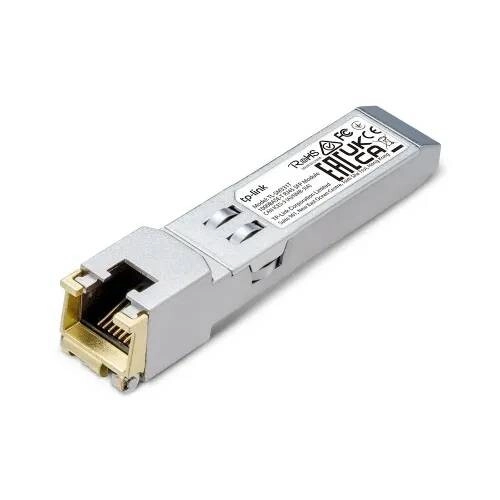
TP-Link Omada TL-SM331T 1000BASE-T SFP Module
- Type: SFP Module
- Data Rate: Up to 1.25Gbps
- Port: 1× Gigabit RJ45
- Cable Length: Up to 100m (Cat 5e+)
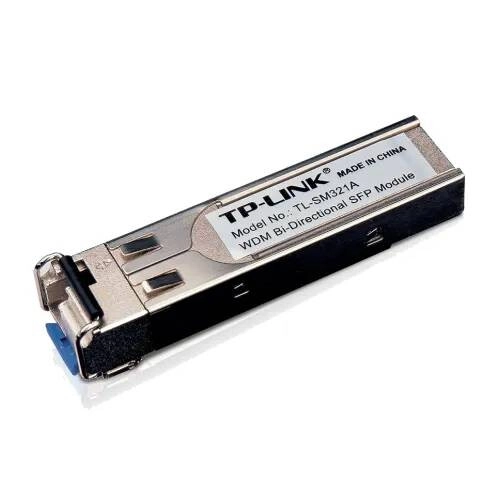
TP-Link Omada SM321A 1000Base-BX WDM Bi-Directional SFP Module
- Fiber: 9/125 μm Single-Mode
- Data Rate: Up to 1.25 Gbps
- Wavelength: TX 1550nm / RX 1310nm
- Transmission Distance: Up to 20km
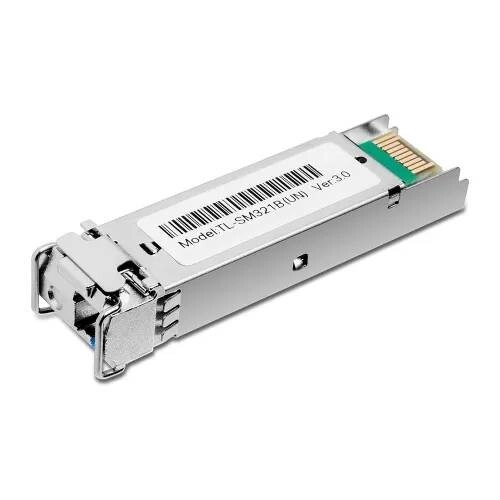
TP-Link SFP Module Omada SM321B 1000Base-BX WDM Bi-Directional
- Fiber Type: 9/125 μm Single-Mode
- Data Rate: Up to 1.25 Gbps
- Ports: 1× 1000 Mbps RJ45 + LC/UPC
- Transmission: Up to 10km

Cudy SM100GSA-20 1.25G Single Mode LC SFP+ Module
- Connector: 2x LC
- Data Rate: 1.25Gbps
- Supported Distance: 20km
- Wavelength: 1310nm

Cudy SM10GSA-10 10Gbps Single Mode LC SFP+ Module
- Data Rate: 10 Mbps / 100 Mbps
- Form Factor: Hot-pluggable SFP footprint
- Supported Distance: 10km
- Power Supply: Single +3.3V

XTREME AS60-PE43204-CPSS7 EPON PX20+++ (7DB+) PON SFP MODULE
- Power: 7dB
- Range: 20 km
- Speed: 1.25 Gbps
- Temp: -40°C to 85°C

Ficer FSPP-H8-C33-20D 10G-BX-D Tx1330 Rx1270 SM LC Simplex SFP+ Transceiver
- Tx1330 Rx1270
- Link distance: 20km over SM fiber
- Connector: Simplex LC
- Power supply: Single +3.3V

Ficer FSPP-H8-C27-20D 10G-BX-U Tx1270 Rx1330 SM LC Simplex SFP+ Transceiver
- Tx1270 Rx1330
- Link distance: 20km over SM fiber
- Connector: Simplex LC
- Power supply: Single +3.3V

Ficer FSPP-H7-S13-10D 10G-LR 1310nm SM LC Duplex SFP+ Transceiver
- 1310nm DFB Transmitter
- Link distance: 10km over SM fiber
- Connector: Duplex LC
- Power supply: Single +3.3V

Ficer FSFP-C7-S13-20D LC Duplex SFP Transceiver
- Transmitter: 1310nm FP
- Link distance: 20km over SM fiber
- Connector: Duplex LC
- Power supply: Single +3.3V

MikroTik S-3553LC20D 1.25G Single Mode optical SFP module
- Data Rate: 1.25G
- Distance: 20KM
- Format: SFP
- Mode: SM

MikroTik XS+31LC10D 10G 10Km Single Mode SFP+ Module
- Product code - XS+31LC10D
- Connector - Dual LC UPC
- Data Rate - 1G / 10G / 25G
- Distance - 10km

MikroTik S-RJ01 RJ45 SFP 100m Copper Module
- Data Rate - 1.25 Gbps
- Distance - 100m
- Connector - RJ45
- Operating Temperature - 0 C +85 C

Mikrotik S+RJ10 RJ45 SFP 10Gbps Modular
- Connector: RJ45
- Distance: up to 200 m
- IP: IP00
- Storage type: FLASH

Mikrotik S-4554LC80D SFP 1.25G 80km Modular
- Data Rate: 1.25G
- Distance: 80KM
- Format: SFP
- Mode: SM

MikroTik S-RJ01 RJ45 SFP Copper Module
- Data Rate - 1.25 Gbps
- Distance - 100m
- Connector - RJ45
- Operating Temperature - 0 C +85 C
Showing 16 out of 16 products
Network Transceivers for Fiber and Network Connectivity
Network Transceivers are compact modules used to provide network connectivity between compatible devices. They are commonly installed in network switches, routers, servers, and other networking equipment that support removable transceiver modules.
Depending on the model, a transceiver can support fiber optic or copper connectivity, different data speeds, transmission distances, and connector types. The right module depends on the equipment and network link you are building.
Choosing the Right Network Transceiver
Before buying a Network Transceiver, check the specifications of your switch, router, server, or other compatible device. The transceiver must match the supported module type and interface of the equipment.
You should also consider the required network speed, transmission distance, cable type, connector, and network environment. These factors help determine which transceiver is suitable for your setup.
SFP and SFP+ Transceivers
SFP transceivers are commonly used for network connections where modular connectivity is required. SFP+ modules support higher data rates and are often used for faster network links.
The required module depends on the port available on your networking equipment. Always check whether your device supports SFP, SFP+, or another transceiver standard before purchasing.
Fiber Optic Transceivers
Fiber optic transceivers are used to transmit network data over compatible fiber optic cables. They can be useful for longer-distance network connections and links between different network devices.
When selecting a fiber transceiver, check the fiber type, transmission distance, wavelength, connector type, and supported data speed. The transceiver should match the fiber cable and the equipment on the other end of the connection.
Data Speed and Transmission Distance
Network Transceivers are available with different speed capabilities. The required speed depends on your network equipment and the bandwidth you need.
Transmission distance is another important specification. Some modules are designed for shorter links, while others support longer fiber connections. Check the product specifications to ensure the module meets your network requirements.
Compatibility with Switches and Routers
Compatibility is one of the most important considerations when buying a network module. A transceiver needs to work with the switch, router, server, or network device where it will be installed.
Check the supported transceiver type and compatibility information provided by the equipment manufacturer. This is especially important when using modules with managed switches or enterprise networking hardware.
Fiber, Copper, and Connector Types
Network Transceivers can support different types of physical network connections. Fiber modules use compatible fiber optic cables, while some transceivers are designed for copper Ethernet connections.
Connector type is also important. Depending on the module, you may encounter different fiber connector configurations. Make sure the connector and cable type match the existing network infrastructure.
Network Transceivers for Home, Office, and Enterprise Networks
Network Transceivers can be used in various networking environments. Small office networks may require only a few modules, while enterprise and data center environments can require multiple high-speed connections.
For larger network deployments, consider speed, distance, compatibility, cable infrastructure, and future upgrade requirements before selecting a module.
Important Specifications to Check
Before purchasing a Network Transceiver, check the module type, supported speed, fiber or copper compatibility, transmission distance, connector type, wavelength, and device compatibility.
These specifications are more important than choosing a module based only on brand or price. Matching the transceiver with your existing network equipment can help avoid compatibility problems.
Buy Network Transceivers from Techland BD
Techland BD offers Network Transceivers for different fiber and network connectivity requirements. You can compare available modules by SFP type, network speed, transmission distance, fiber compatibility, connector, and other specifications.
Before ordering, check your networking device's supported module type and the requirements of your existing network connection. This helps you select a transceiver that fits your setup.
Network Transceivers Price List in Bangladesh 2026
Frequently Asked Questions
What is a Network Transceiver?
A Network Transceiver is a networking module used to provide connectivity between compatible network devices. Depending on the model, it can support fiber optic or copper connections.
What is an SFP Transceiver?
An SFP Transceiver is a compact, removable network module used in compatible switches, routers, servers, and other networking equipment.
What is the difference between SFP and SFP+?
SFP and SFP+ are different transceiver standards with different speed capabilities. The correct option depends on the port and speed supported by your networking equipment.
How do I choose a Fiber Optic Transceiver?
Check the supported data speed, fiber type, transmission distance, wavelength, connector type, and compatibility with your switch or router.
Can I use any transceiver with a network switch?
No. The transceiver must be compatible with the switch's supported module type and specifications. Check the manufacturer's compatibility information before purchasing.
What should I check before buying a Network Transceiver?
Check the module type, speed, fiber or copper interface, transmission distance, connector, wavelength, and compatibility with your existing networking equipment.
Where can I buy Network Transceivers in Bangladesh?
You can compare available Network Transceivers at Techland BD by checking their speed, module type, compatibility, transmission distance, and other specifications.
