
GPU Server Price in Bangladesh
GPU Server Price in Bangladesh ranges from ৳11000 to ৳5000000. GPU Servers offer performance for home users. Check GPU Server price in Bangladesh and GPU Server price in BD to buy GPU Server online today. Techland BD offers a great selection of GPU Server at the prices in BD. It is a great opportunity for the home, office and the general user.
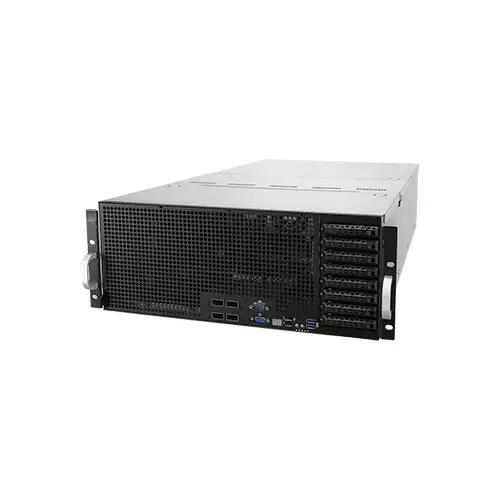
Asus ESC8000 G4 2nd Gen Intel Xeon Scalable GPU Server
- Processor: 2x Intel 1st/2nd Gen Xeon Scalable
- Memory: Maximum up to 3072GB RDIMM
- Storage: 8 x Hot-swap 2.5" Storage Bays
- GPU Support: 8x Dual Slot GPU Supported
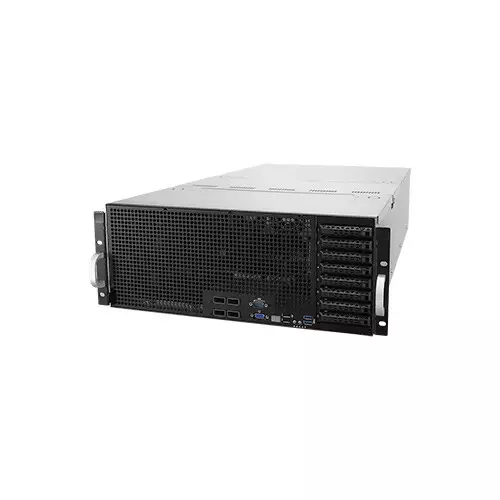
Asus ESC4000-E10 3rd Gen Intel Xeon Scalable GPU Server and ASUS ASMB10-iKVM
- 2x Intel 1st/2nd Gen Xeon Scalable Processor
- Memory: Maximum up to 3072GB LRDIMM
- Storage: 8 x Hot-swap 2.5" Storage Bays
- GPU Support: 8x Dual Slot GPU Supported
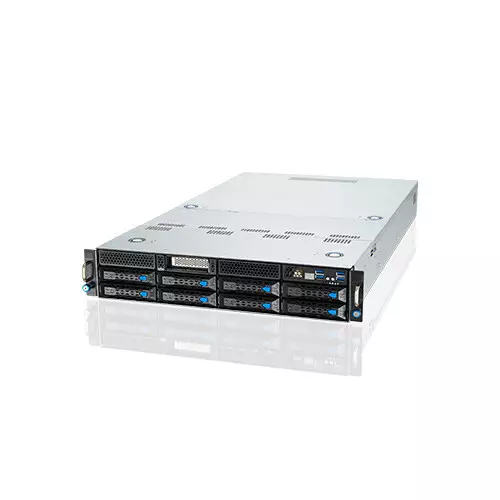
Asus ESC4000-E10 3rd Gen Intel Xeon Scalable GPU Server and ASUS ASMB10-iKVM
- Processor: 2x AMD EPYC 9004 series CPU
- Memory: Up to 3TB (per CPU Socket)
- Storage: 8 x 3.5"/2.5" Front Hot-swap Storage Bays
- GPU Support: 8x Dual Slot GPU Supported
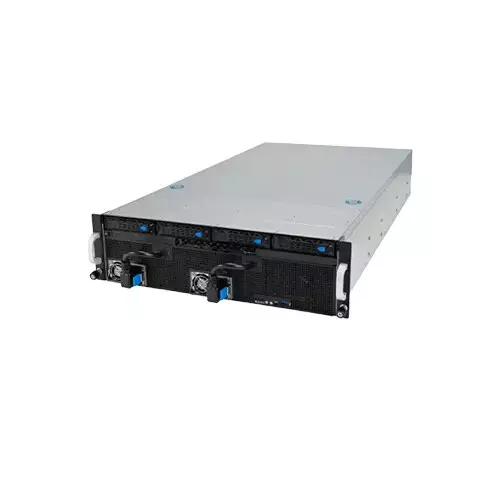
Asus ESC N4A-E11 AMD EPYC 7003 GPU Server and ASUS ASMB10-iKVM
- Processor - 2 x AMD EPYC 7003 CPU
- Memory - Maximum up to 4TB
- Storage - 4 x 3.5" Hot-swap Storage Bays
- GPU Support - 4 x NVIDIA HGX A100 AI
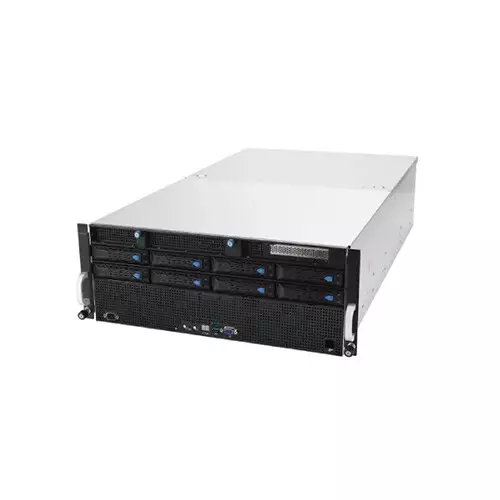
Asus ESC8000A-E11 AMD EPYC 7003 GPU Server and ASUS ASMB10-iKVM
- Processor - 2 x AMD EPYC 7003 CPU
- Memory - Maximum up to 4TB
- Storage - 8 x 3.5" Hot-swap Storage Bays
- GPU Support - 8x Dual Slot GPU Supported
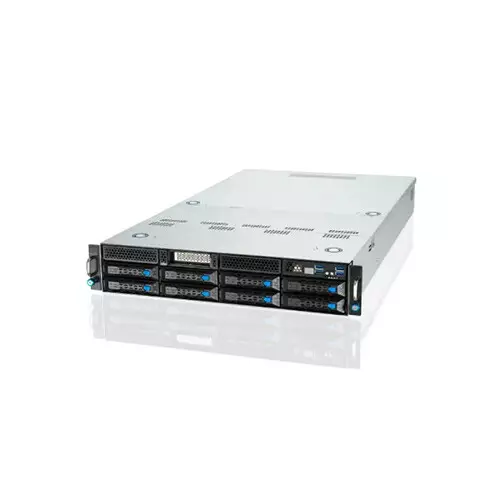
Asus ESC4000A-E11 AMD EPYC 7003 & 7002 GPU Server and ASUS ASMB10-iKVM
- Processor - 1x AMD EPYC 7003
- Memory - Maximum up to 2048GB RDIMM
- Storage - 8 x 3.5" or 2.5" Storage Bays
- GPU Support - 8x Single Slot GPU Supported
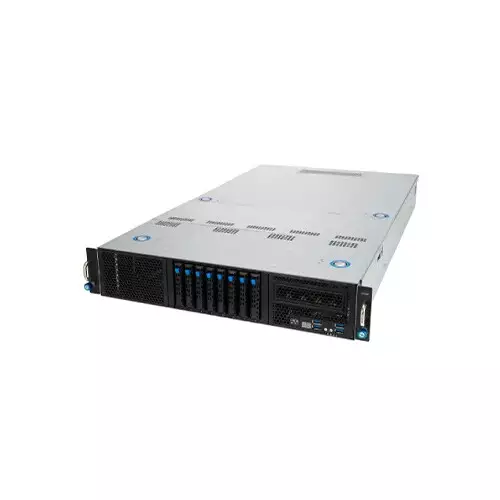
Asus ESC4000-E10S 3rd Gen Intel Xeon Scalable GPU Server and ASUS ASMB10-iKVM
- Processor - 2 x Intel Xeon Scalable
- Memory - Up to 2048GB
- Storage - 8 x 2.5" Hot-swap Storage Bays
- GPU Support - 4 x dual-slot GPUs
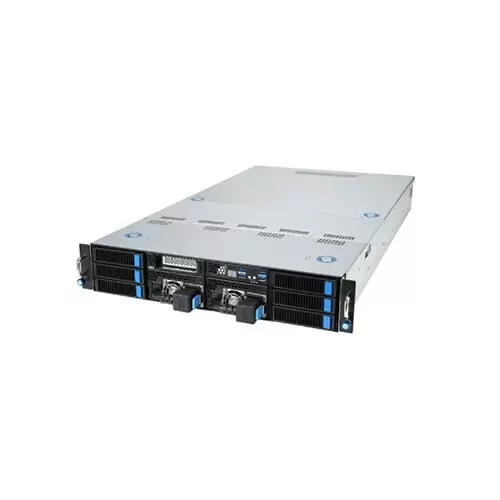
Asus ESC4000A-E12 AMD EPYC 9004 GPU Server and ASUS ASMB11-iKVM
- Processor - 2x AMD EPYC 9004 series
- Memory - Up to 3TB (per CPU Socket)
- Storage - 8 x 3.5"/2.5."
- GPU Support - 8x Dual Slot GPU Supported
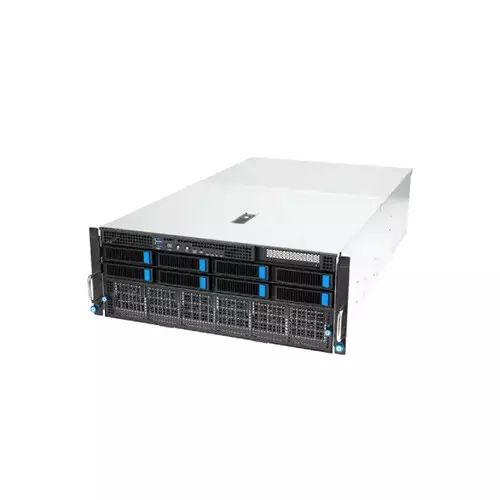
Asus ESC8000A-E12P AMD EPYC 9004 GPU Server and ASUS ASMB11-iKVM
- Processor - 2x AMD EPYC 9004 series
- Memory - Up to 3TB (per CPU Socket)
- Storage - 8 x 3.5"/2.5" Front
- GPU Support - 8x Dual Slot GPU
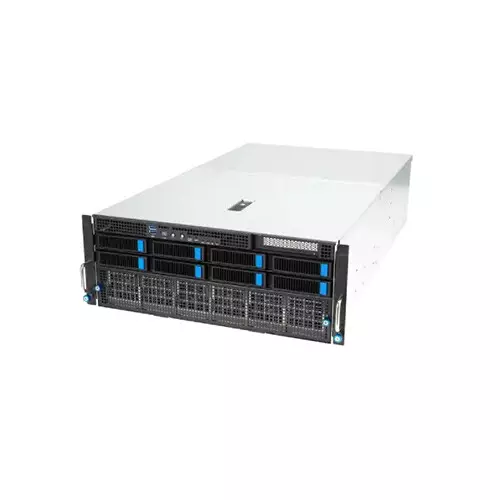
Asus ESC8000A-E12 AMD EPYC 9004 GPU Server and ASUS ASMB11-iKVM
- Processor - 2x AMD EPYC 9004 series
- Memory - Up to 3TB (per CPU Socket)
- Storage - 8 x 3.5"/2.5" Front
- GPU Support - 8x Dual Slot GPU
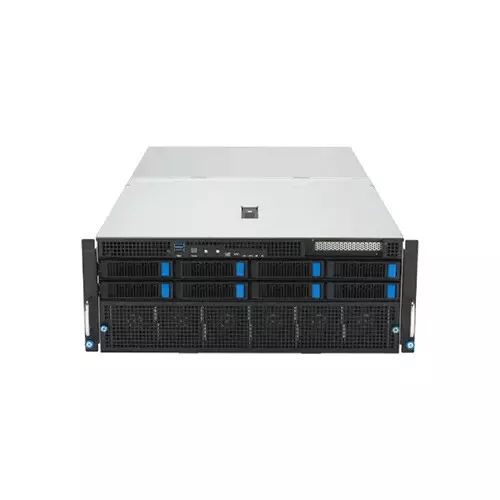
Asus ESC8000-E11P 5th Gen Intel Xeon Scalable GPU Server and ASUS ASMB11-iKVM
- Processor - 2x Intel 4th/5th Gen Xeon
- Memory - Up to 4TB (per CPU Socket)
- Storage - 8 x 3.5"/2.5" Front
- GPU Support - 8x Dual Slot GPU
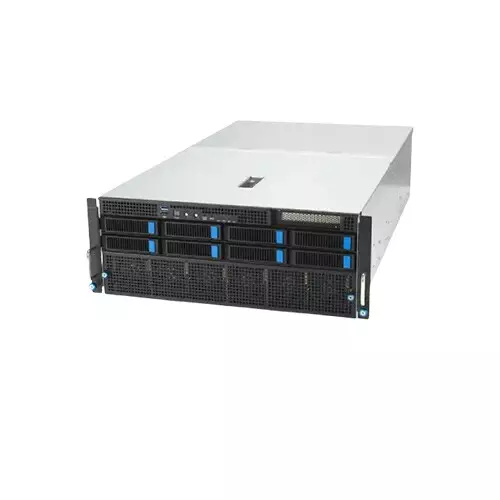
Asus ESC8000-E11 5th Gen Intel Xeon Scalable GPU Server and ASUS ASMB11-iKVM
- Supports - Eight dual-slot GPUs
- Operating System - Windows Server
- Form Factor - 4U
- Processor - 2x Intel 4th/5th Gen
Showing 12 out of 12 products
GPU Server at The Best Price in Bangladesh
GPU Server Price in Bangladesh GPU servers are essential for AI, machine learning, data analytics, and high-performance computing. In Bangladesh, GPU server prices vary based on hardware specifications, performance requirements, and deployment needs. The cost of a GPU server is influenced by factors such as GPU model, CPU performance, RAM capacity, storage type, and networking capabilities. Entry-level systems are suitable for small businesses and development environments, while enterprise-grade GPU servers support advanced AI training, deep learning, and large-scale data processing. Organizations across Bangladesh are adopting GPU servers to improve computing efficiency, accelerate workloads, and support digital transformation initiatives. Businesses should evaluate performance, scalability, energy efficiency, warranty coverage, and future upgrade options when selecting a GPU server. Choosing the right GPU server is a strategic investment that can enhance productivity, reduce processing time, and support long-term growth. As demand for AI and data-driven applications increases, GPU servers continue to play a critical role in modern IT infrastructure.
Key Components of a GPU Server
A GPU server combines several high-performance components to handle demanding workloads such as AI training, machine learning, data analytics, and scientific computing. At its core are powerful GPU cards, such as NVIDIA A100, H100, and RTX series models, which deliver exceptional parallel processing capabilities. A multi-core CPU manages general system operations and coordinates GPU tasks, while large-capacity RAM enables efficient handling of massive datasets. High-speed SSD or NVMe storage ensures fast data access and minimizes bottlenecks, improving overall system performance. Since GPUs generate substantial heat during intensive workloads, advanced air or liquid cooling systems maintain stability and reliability. Additionally, high-bandwidth networking supports distributed computing environments and cloud-based GPU clusters, allowing seamless data transfer and scalable performance.
Benefits of GPU Servers
GPU servers offer numerous advantages for businesses and organizations that require high-performance computing. They provide a massive performance boost by delivering significantly greater processing power than traditional CPU-only systems, making them ideal for AI, machine learning, data analytics, and scientific computing. GPU servers also reduce processing time dramatically, allowing tasks that would normally take hours or even days to be completed much faster. Their scalability enables businesses to expand computing resources as workloads grow, especially in cloud-based environments. Although the initial investment can be higher, GPU servers improve long-term cost efficiency by reducing operational time and increasing productivity. Additionally, GPUs are often more energy-efficient than CPUs for parallel processing workloads, helping organizations lower power consumption while maintaining high performance.
Which GPU server is best for AI and machine learning workloads?
The best GPU server depends on your workload, model size, and budget. For large-scale AI training and inference, servers equipped with modern GPUs offer higher performance, faster training times, and better scalability than CPU-only servers.
How much GPU power do I need for my project?
The required GPU resources depend on your use case. Small AI projects may need a single GPU, while large language models, deep learning training, and enterprise AI applications often require multiple GPUs and high-memory configurations. Our team can help recommend the right setup.
Can I upgrade my GPU server as my workload grows?
Yes. Many GPU server solutions support hardware upgrades, allowing you to add more GPUs, memory, storage, or processing power as your business and computing requirements expand.
Why should I choose a dedicated GPU server instead of cloud GPUs?
A dedicated GPU server provides predictable performance, full hardware control, enhanced security, and potentially lower long-term costs for continuous workloads. It is often a cost-effective choice for businesses running AI, rendering, or high-performance computing applications 24/7.
