
Working…
Access Control Price in Bangladesh
Access control product prices in BD start from ৳40 and go up to ৳1120000, depending on brand and specifications. Shop genuine door access systems, biometric devices, and security kits at Techland BD for reliable protection.
Working…
Save: ৳4,050
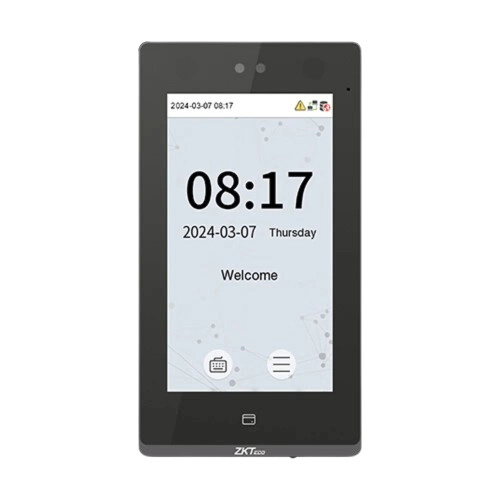
ZKTeco SenseFace 7B AI Based Face Recognition Device
- Capacity: 50K Face | 300K Logs | Card
- Cam/Screen: 1MP WDR | 7" Touchscreen
- Rating: IP65 Outdoor Weatherproof
- Type: Face Access Terminal
৳23,950
৳28,000
Save: ৳250
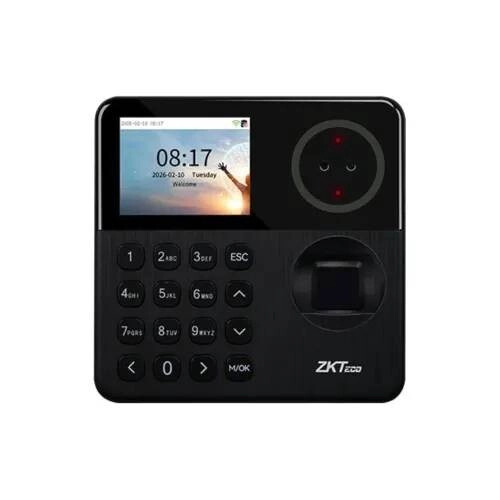
ZKTeco SenseFace T1 Face Recognition time and attendance terminal
- Authentication: Fingerprint, Face, Card & Password
- Fingerprint Capacity: Up to 1,500 Templates
- Face & Card Capacity: 1,500 Face / 3,000 Cards
- User & Transaction Capacity: 3,000 Users / 150,000 Transactions
৳9,750
৳10,000
Save: ৳2,000
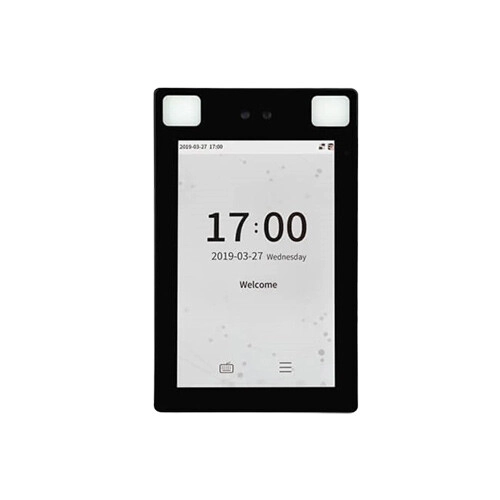
ZKTeco ProFace X Outdoor & Vandal-resistant Facial Recognition Terminal
- Cap: 30K Face / 5K Palm Biometrics
- Cam: 2MP WDR Starlight Camera
- Conn/Rating: TCP/IP | RS485 | IP68 / IK04
- Type: Biometric Terminal
৳18,000
৳20,000
Save: ৳2,500
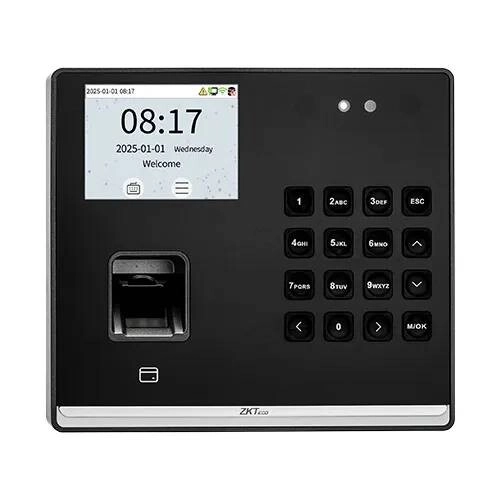
ZKTeco SenseFace M2F-LR Access Control Terminal
- Verification: Fingerprint, Face, Card & Password
- Display: 2.8" Touch Screen with 1MP Dual Camera
- Capacity: 3,000 Fingerprints, Faces & RFID Cards
- Transaction Log: Up to 150,000 Records
৳12,000
৳14,500
Save: ৳2,000
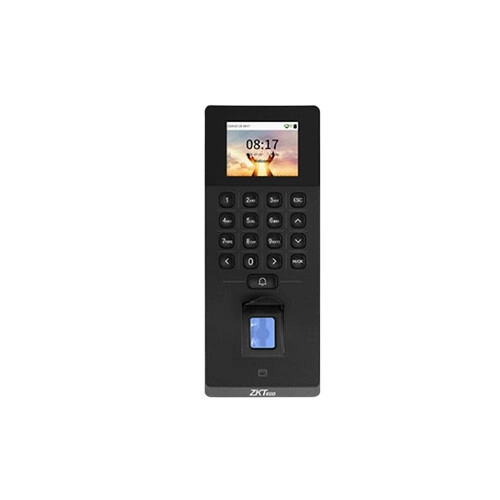
ZKTeco F34 Lite Fingerprint Standalone Access Control and Time Attendance (Without WiFi)
- Fingerprint Capacity: 3,000
- Card Capacity: 3,000
- User Capacity: 3,000
- Transaction Capacity: 200,000
৳14,500
৳16,500
Save: ৳1,100
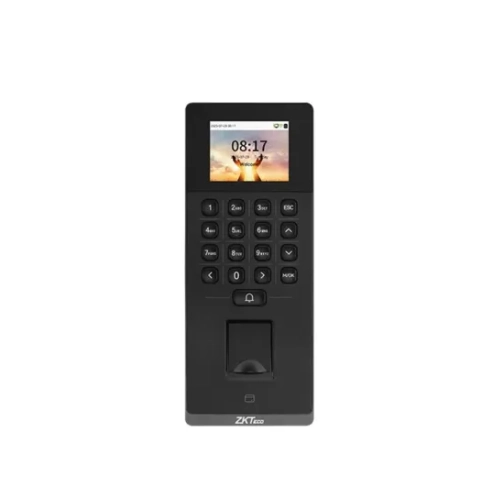
ZKTeco F34 Lite WiFi Fingerprint Access Control Terminal
- 3,000 User Capacity
- Fingerprint, Card & Password
- 2.8″ Color Display
- Wi-Fi & TCP/IP
৳15,400
৳16,500
Save: ৳4,300
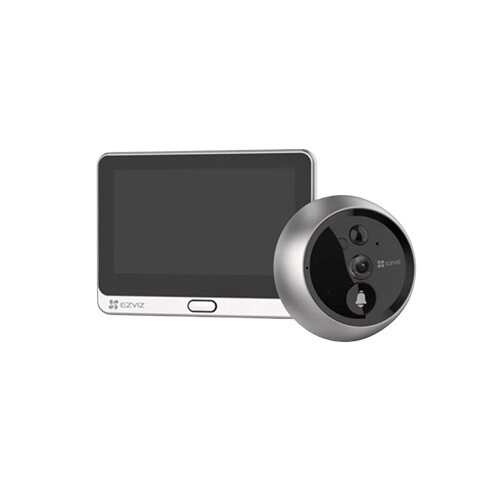
EZVIZ DP2C Smart Door Viewer Security Camera
- Digital Door Viewer: Smart Indoor Display
- Two Way Talk: Built In Mic & Speaker
- Night Vision: IR Low Light View
- App Support: Live View via EZVIZ App
৳11,000
৳15,300
Save: ৳450
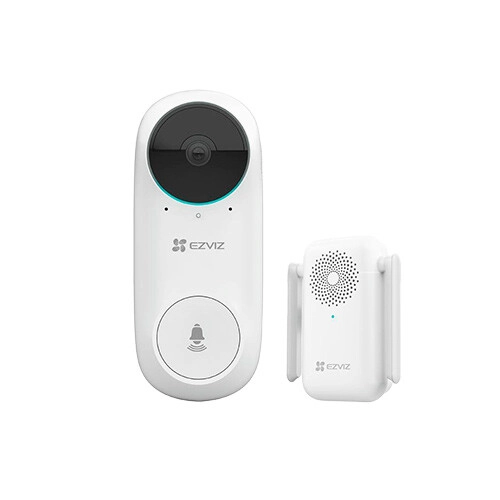
EZVIZ DB2C Kit Wire-Free Video Doorbell with Chime
- Image sensor - 1/2.7" 2 Megapixel CMOS
- Video compression - H.265 / H.264
- Image improvements - DWDR, 3DNR, BLC, AGC
- Infrared lighting - 0 Lux / IR LEDs (5 m)
৳9,550
৳10,000
Save: ৳2,000
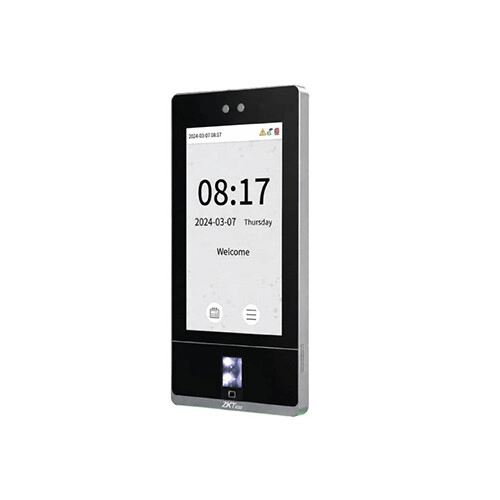
ZKTeco SenseFace 7A Plus Access Control Terminal
- Fingerprint Capacity - 10000
- Face Capacity - 10000
- Display - 7 inch TFT Color
- Operation System - Linux
৳27,900
৳29,900
Save: ৳1,200
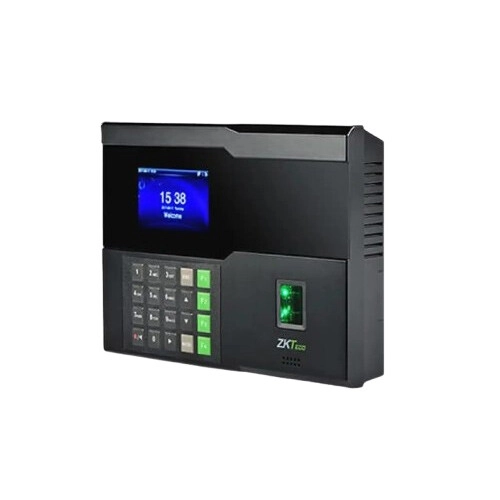
ZKTeco IN05-A Time Attendance And Access Control
- Max User - 10,000
- Max Fingerprint - 3,000 standard
- Max Record - 100,000
- interface TCP/IP - 10/100 M
৳21,800
৳23,000
Save: ৳1,300
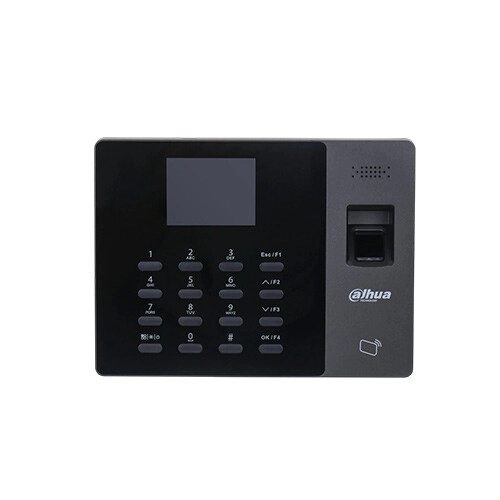
Dahua ASA2212GL-D Fingerprint Time Attendance & Access Control
- Fingerprint Capacity - 3000
- ID Card Capacity - 3000
- Display Size - 2.4 inch
- Interface - USB, RJ-45
৳6,200
৳7,500
Save: ৳800
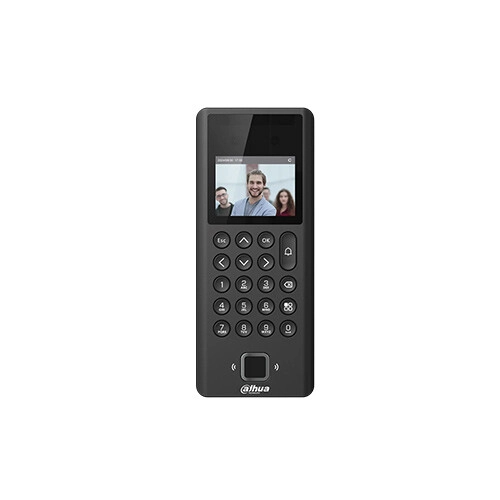
Dahua DHI-ASI3204E-DW Single Door Face Recognition Access Control
- Fingerprint Capacity - 3000
- Face Capacity - 1000
- Logs Capacity - 100000
- ID Card Capacity - 3000
৳9,200
৳10,000
Save: ৳1,500
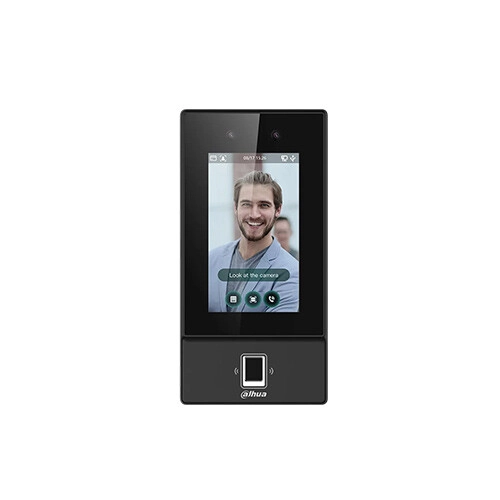
Dahua DHI-ASI6214S-D Face Recognition Access Control
- Display Size - 4.3 Inch
- Face Capacity - 6000
- ID Card Capacity - 10000
- Power Supply - 12V - 1.5A
৳20,500
৳22,000
Save: ৳2,200
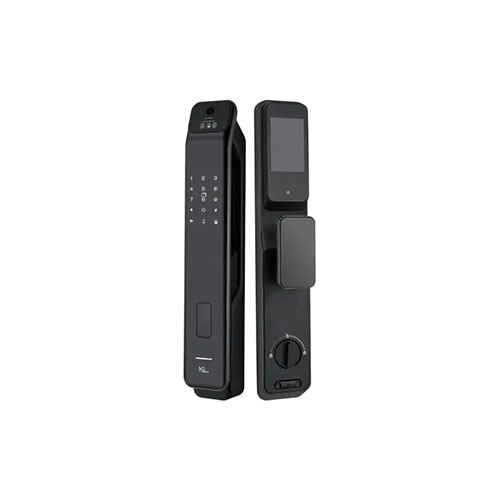
NGTeco SL01-Z350 VPN Touch Screen Display Smart Door Lock
- 3.5" LCD Touch Screen Display
- Wi-Fi & BLE 5.0 Connectivity
- Fingerprint & PIN Capacity: Max 100
- Card Capacity: Max 100
৳28,000
৳30,200
Save: ৳2,500
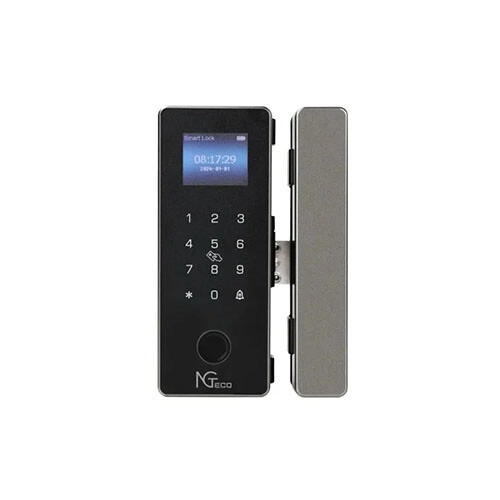
NGTeco SL04-GL40N Smart Push-Pull Glass Door Lock
- Fingerprint Capacity: Up to 100 Users
- Access Methods: Fingerprint, PIN, RFID Card
- Fits 10-12mm Sliding
- 2.8-inch high-resolution LCD display
৳18,000
৳20,500
Save: ৳2,100
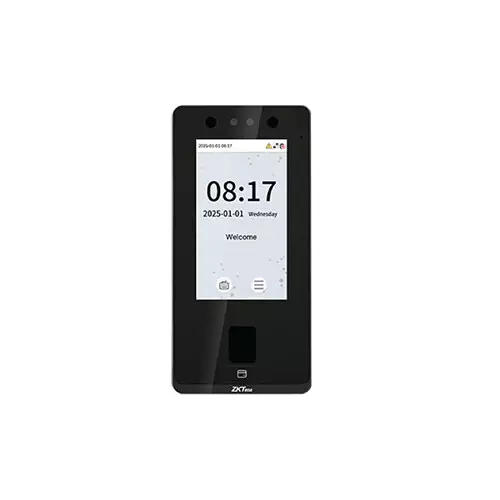
ZKTeco SenseFace 4A Face & Fingerprint Access Control Terminal
- Fingerprint Capacity - 8000
- Face Capacity - 6000
- User Capacity - 8000
- Transaction Capacity - 200000
৳21,300
৳23,400
Save: ৳300
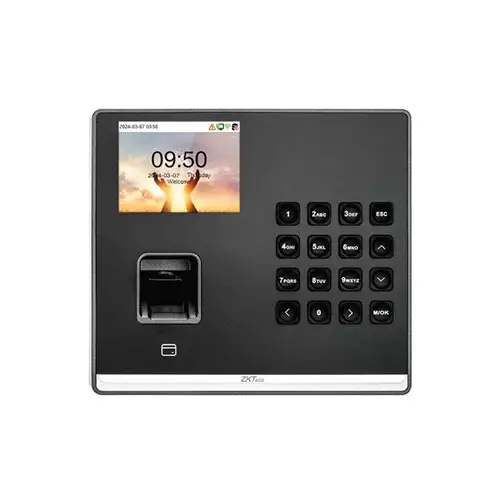
ZKTeco M2-LR Attendance & Access Control Terminal With Wi-Fi
- Fingerprint Capacity - 3000
- ID Card Capacity - 3000
- Logs Capacity - 150000
- Display - 2.8 Inch
৳11,900
৳12,200
Save: ৳6,000
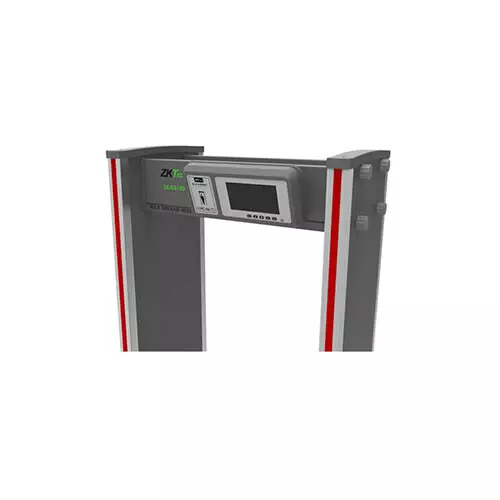
ZKTeco ZK-D3180 18-Zone Walk-Through Metal Detector
- Physical Keypad: 5 keys
- Sensitivity Level: 500 levels
- Channel: 100
- Display: 7" LCD
৳104,000
৳110,000
Save: ৳800
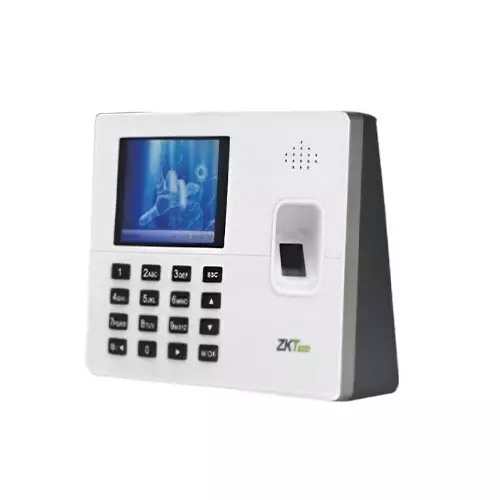
ZKTeco K60 Fingerprint Time & Attendance And Access Control Terminal
- Fingerprint Capacity - 3000
- Record Capacity - 100,000
- Display - 2.8-inch TFT Screen
- Power Supply - DC 5V 800mA
৳6,800
৳7,600
Save: ৳900
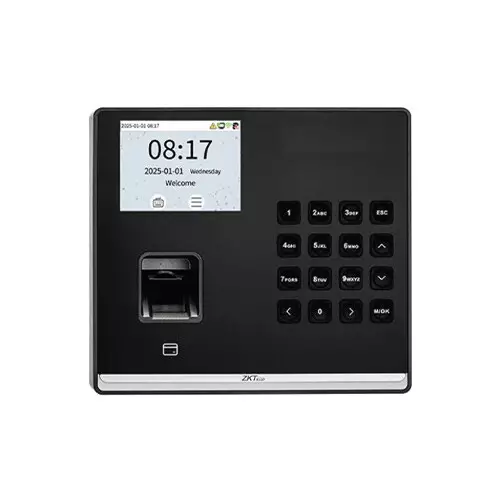
ZKTeco SenseFP M2 WiFi Reliable Attendance Device
- Fingerprint Capacity - 3,000 fingerprints
- ID Card Capacity - 3,000 ID cards
- Record / Log Capacity - 150,000 Log data
- Display - 2.8-inch TFT
৳10,300
৳11,200
Showing 20 out of 278 products
Access control at The Best Price in BD
Access control systems manage who can enter or use specific spaces or resources, and their costs vary based on several key factors. Simpler systems, like keypads or card-based entry, are usually more budget-friendly. In contrast, advanced options—such as biometric or cloud-based systems—require a higher investment due to added features such as remote access and real-time monitoring.
The size of the system also affects cost. A single-door setup is less expensive than a multi-location installation, which requires more hardware, setup, and support. Infrastructure upgrades, such as networking or wiring, can further increase expenses.
Ongoing costs are another consideration. Many systems involve subscription fees for maintenance, updates, and technical support, especially cloud-based solutions. Customisation and integration with other security systems can also raise costs. Understanding the access control price in BD helps organizations choose a security system that fits their budget. Many suppliers offer competitive access control price in BD packages for offices, factories, and commercial buildings.
Types of Access Control
Access control systems are security mechanisms that regulate who can enter or use specific resources, and they are commonly categorised into four main types. Discretionary Access Control (DAC) allows the resource owner to decide who has access, making it flexible but better suited to small environments. Mandatory Access Control (MAC) is a stricter model where access is controlled by a central authority based on security levels, often used in government and military systems for high security. Role-Based Access Control (RBAC) assigns permissions based on user roles within an organisation, such as HR, finance, or IT, making it efficient and widely used in businesses. Attribute-Based Access Control (ABAC) is the most advanced model, granting access based on multiple attributes such as user role, location, time, and device, enabling dynamic, context-aware decisions. These types of access control systems improve security, reduce unauthorised access, and help organisations manage resources more effectively in both physical and digital environments.
Key Components of Access Control Systems
Access control systems are built with several important components that work together to manage and secure entry. The access control panel is the main unit that processes all data and decides whether to allow or block access. Identification devices such as biometric scanners, RFID card readers, or keypads are used to read user credentials. These credentials can include fingerprints, access cards, PIN codes, or facial recognition data, which are verified by the system. If the information matches the stored records, electronic locking devices like magnetic locks or electric strikes unlock the door; otherwise, access is denied. The system is also managed through software that lets administrators set permissions, monitor entry activity, and generate security reports. All parts are connected via a communication network for smooth, real-time operation. Together, these components ensure strong security, prevent unauthorised entry, and improve safety in homes, offices, and industrial spaces.
Best Practices for Effective Access Control
Effective access control requires following best practices to ensure strong and reliable security. One of the most important practices is implementing the principle of least privilege, which means users are granted only the minimum access needed to perform their tasks. Regularly updating and reviewing access permissions also helps prevent unauthorised entry, especially when employees change roles or leave an organisation. Using multi-factor authentication adds an extra layer of security by requiring more than one form of verification, such as a password combined with a fingerprint or access card. It is also important to keep access control systems and software up to date to protect against security vulnerabilities. Monitoring and logging all access activities helps detect suspicious behaviour early and improves accountability. Additionally, strong password policies and secure credential management further reduce risks. By following these best practices, organisations can maintain a secure environment, protect sensitive data, and ensure efficient access management.
Expert Perspective
From a cybersecurity governance standpoint, access control is not simply a technical configuration—it is a strategic security discipline. Security professionals consistently identify identity and access management as one of the most effective methods for reducing organizational risk.
Industry frameworks such as the National Institute of Standards and Technology (NIST) Cybersecurity Framework and ISO 27001 emphasize access management as a core security requirement. Organizations that establish clear policies, conduct regular audits, and enforce least-privilege access are better positioned to prevent breaches and maintain stakeholder trust.
Access Control Price List
Buy the Best Access Control in Bangladesh
Techland BD is widely regarded as one of the best destinations for access control solutions in Bangladesh, offering a complete range of modern security systems tailored for homes, offices, and industrial facilities. The shop specializes in advanced technologies such as biometric fingerprint scanners, RFID card access systems, door controllers, and cloud-based access management solutions. What makes Techland BD stand out is its commitment to quality products, reliable after-sales support, and expert consultation to help customers choose the right system based on their security needs. Whether it is a small office looking for basic entry control or a large organization requiring integrated multi-door security management, Techland BD provides scalable and cost-effective solutions. With a strong focus on customer satisfaction and updated technology trends, it has built a reputation as a trusted name in the access control industry.
What type of access control system is best for my business?
The best system depends on your facility size, number of users, security requirements, and whether you need cloud-based or on-premises management. Modern cloud-based access control systems are popular because they offer remote administration, real-time monitoring, and easier scalability.
How much does an access control system cost?
Costs vary based on the number of doors, credentials (cards, mobile access, biometrics), installation complexity, and software licensing. Most businesses request a customized quote to ensure they get the right level of security without paying for unnecessary features.
Can access control integrate with my existing security systems?
Many access control solutions integrate with CCTV, alarm systems, visitor management platforms, and time-attendance software. Integration can improve security visibility and reduce operational overhead by managing everything from a single platform.
How quickly can an access control system be installed and deployed?
Installation timelines depend on the number of entry points, wiring requirements, and integration needs. Small businesses may be operational within a few days, while larger multi-site deployments can take several weeks. A site assessment helps determine the exact timeline.
